Goods and services
The reasons businesses exist and the
different ways they provide goods and services
1.
identifying
why businesses exist and investigating the different ways that goods and
services are provided to people, for example through shopping centres, local
markets, online, small independent stores, remote community stores
Students can refer to their local markets and discuss the goods on offer and where they come from.
2.
explaining
the difference between not-for-profit and for-profit businesses
http://www.abc.net.au/btn/story/s3038374.htm view a story about Fred's van
Research organisations that use fair trade in their practices,
3. identifying different industry sectors (such as agriculture,
information, tourism, telecommunications) and discussing what they produce or
provide.
Description: The contribution of individuals and groups, including Aboriginal people and/or Torres Strait Islanders and migrants, to the development of Australian society, for example in areas such as the economy, education, science, the arts, sport.
Education and Kaurna Walk at the Adelaide Botanic Gardens
Visit the website for more ideas about how to incorporate Aboriginal perspectives.
Key ideas: Aboriginal people developed an intricate knowledge of plants over a long period of time. Plants were significant in culture, survival and everyday lives of Aboriginal people.
Students will investigate a range of plants used by Aboriginal people in a variety of ways including, food, medical, shelter tools and ceremonies. The scope covers plants from across Australia.
Visit the website for more ideas about how to incorporate Aboriginal perspectives.
Key ideas: Aboriginal people developed an intricate knowledge of plants over a long period of time. Plants were significant in culture, survival and everyday lives of Aboriginal people.
Students will investigate a range of plants used by Aboriginal people in a variety of ways including, food, medical, shelter tools and ceremonies. The scope covers plants from across Australia.
FAIR TRADE GOODS
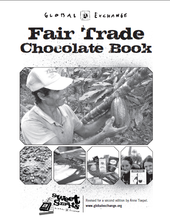
Below is a book to download for students to use.

http://www.cafod.org.uk/curation/search?SearchText=Banana+split+game
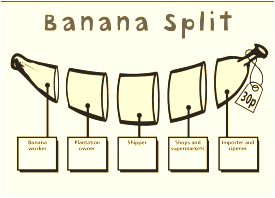
The banana split game is a fun game to do with the whole class.
Students take on the roles of all those involved in getting a banana from Africa to the shop. Students make choices about how much each person will be paid. Discussions about the real cost of bananas can get quite heated ! |
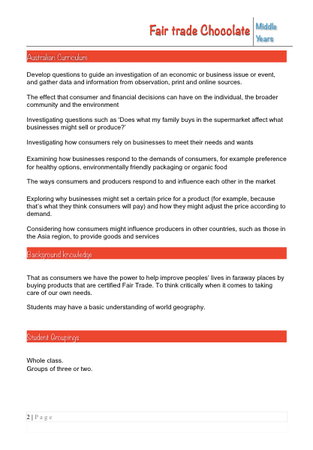
To the left is an example of one page from the document. Below is the document that you can download.

This is an eight page unit of work linked to the Australian Curriculum which centres around Chocolate as a fair trade good.
| ||||
